
I have always had a fascination with great apes, with orangutans being my favourite. Something about their humanlike arms, copper coats and expressive faces has always drawn me to them. Perhaps it all stemmed from King Louis in The Jungle Book — I’ll never really know.
Borneo is one of only two places in the world where you can see the endangered orangutan in the wild, and I knew it was only a matter of time before I had to take a trip to see them myself. Besides orangutans, Borneo is home to a variety of wildlife including pygmy elephants, crocodiles, sun bears and hornbills, and with river safaris, incredible snorkelling and jungle treks on offer, I knew this trip was going to fulfil many a dream of mine. And it did!
Here are my top tips for two weeks in Malaysian Borneo.
1. Plan your route in advance if you’re short on time
…but leave room for flexibility. I had just two weeks in Borneo. When you’re in full-time employment back in London, these little fortnightly glimpses of freedom are all that are possible! I decided that this would be enough time to fit in what I wanted to see and do, and although I could have easily spent a month there, I felt that my trip encompassed a good amount of what the island has to offer.
I found planning my itinerary online quite difficult as there are so many different options and ways to do things, but I did stitch a rough route together beforehand, just so that I wasn’t completely bewildered when I arrived.
I only booked the first couple of nights so that I would be open to flexibility, and I jotted my vague route down on the notes app in my phone. I ended up straying away from it many times, however, including extending my stay in Kuching from two nights to four as soon as I got there!
2. Visit Sarawak, not just Sabbah
Malaysian Borneo is split into two states — Sarawak covering the northwestern part of the island, and Sabbah to the east. I booked my flights as soon as I got my first pay cheque in my new job, and I did it without too much research, choosing to fly into Kuching in Sarawak, and out of Kota Kinabalu in Sabbah.
Afterwards, I started researching online itineraries and felt a bit uneasy at my decision — why did almost all of these omit Kuching? Why don’t others seem to go there? Where am I going?! I stuck with my decision and I am very glad I did, because Kuching was my favourite city in Malaysian Borneo, and there was so much to do in the area, from taking an overnight trip to Bako National Park, to visiting traditional longhouses Annah Rais and spotting dolphins and proboscis monkeys on the Santubong Wetlands River Cruise. I also saw my first ever orangutan at Senenggoh Wildlife Centre which was a dream-come-true. The centre was a lot quieter and smaller than the popular Sepilok in Sabbah, but I would say that both of them are worth visiting if you like orangutans as much as I do.
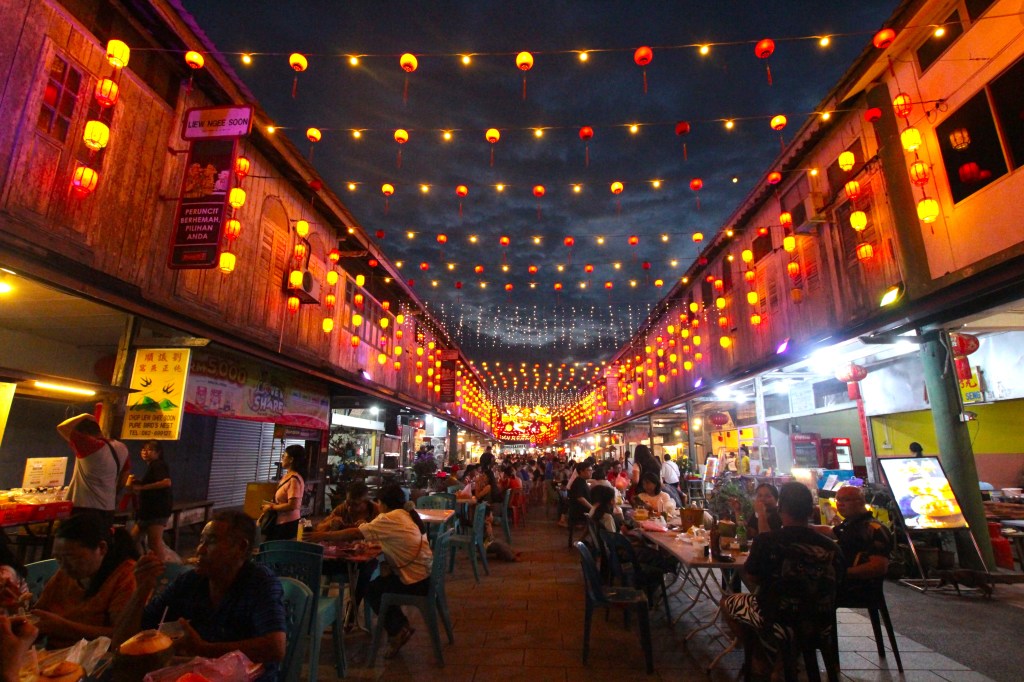
Kuching itself is based on the Sarawak River, and has a chilled vibe to it. I enjoyed a delicious laksa at 126 Laksa, counted the many cat statues in the city, visited Siniawan Night Market, watched the evening light and water show at the Darul Hana Musical Fountain and enjoyed live music in the evenings on the streets around Carpenter Street. Don’t skip it!
3. Take internal flights
Borneo is BIG. As the third-largest island in the world after Greenland and New Guinea, you will likely cover a lot of ground, even if you do just visit Sabbah. Bus journeys take longer than planned and although they’re cheaper, sometimes they’re not worth the time and stress.
I’m not exactly an advocate for racking up airmiles, but internal flights with Air Asia are only around £30, and for a flight that’s between 50 minutes to 1 hour 30 minutes versus being on a bus all day, it made sense to hop on the odd plane. I took flights from Kuching to Sandakan (via Kota Kinabalu), and then back from Sandakan to Kota Kinabalu which helped me cover a lot of ground in the short two weeks that I had in Borneo.
4. Download the Grab app
Grab is southeast Asia’s version of Uber, and in my opinion, it is a lot better. Of course, it is very cheap for westerners using it — I would sometimes get rides that would only cost me about 75p! The convenience of being able to hail one from pretty much anywhere, including the airport, was really useful and reassuring, especially as a solo female traveller, and especially in a place where public transport is not very reliable. Do yourself a favour when you get to Borneo and download the app, because you will use it.
5. Get advice from others (but use your own initiative too)
As mentioned earlier, I only vaguely planned my trip in advance and I didn’t book anything in. This might make plenty of people nervous, but for me, it meant that my itinerary was open to ideas from other travellers and locals. Straight away I realised that Kuching had a lot more to offer than I initially realised, so I extended my stay so that I could visit Senenggoh, which I hadn’t realised existed until chatting to a local lady.
Of course, we all have our own ideas about how we want our trip to go, so you don’t need to completely go off-course and change your plans based on what you see and hear when you get there, but I liked being able to, if I wanted to.

6. Remember it can rain outside of the rainy season
Borneo’s rainy season generally runs from November to February each year, which is why I booked to visit during the first two weeks of September. However, climates can always be unpredictable, and it rained at some point almost every day on my trip. Usually the rains were sharp and short — quite a relief in the 30 degree heat and humidity — but sometimes they lasted longer, as I soon found out…
The lively Gaya Street Night Market runs every Friday and Saturday evenings in Kota Kinabalu. Selling everything from local street food such as satay and nasi lemak to slabs of mouth-watering chocolate cake, you can also find traditional handicrafts there. One Friday night I wandered around the market as the relentless rains pelted down, and I tried not to feel sorry for myself underneath my umbrella as I thought about all the market stall sellers who were there come rain or shine. So, I would advise taking an umbrella or rainmac with you when in Borneo, even outside of the rainy season.
7. You’ll spend more than you think
Malaysian Borneo is affordable in terms of transport, accommodation and food, but if you want to ensure you don’t miss out on any activities (I mean, that’s the reason you came, right?!) then be prepared to spend more than you might expect. Island-hopping tours can be pricy as well as river cruises and any kind of day trips, although they are all worth the price tag.
Overall, I worked out that I spent around £700 in my two weeks there, which included all food, tours, private rooms in hostels and transport. Not too bad!

8. Be grateful for any wildlife you see
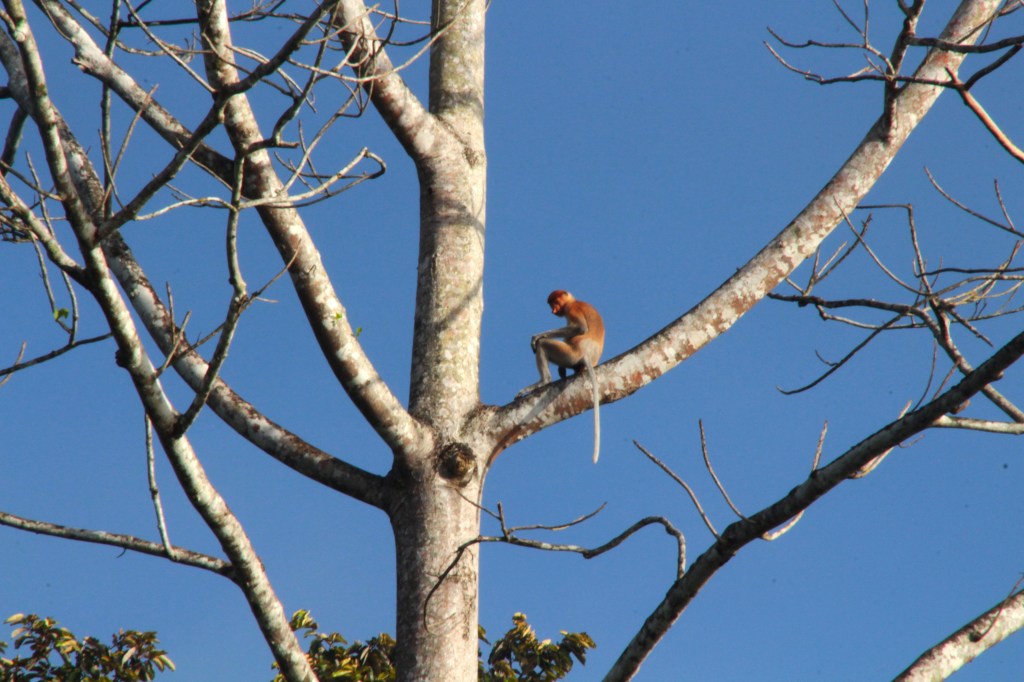
Palm oil plantations have sadly caused major deforestation and habitat loss in Borneo, which in turn has resulted in the endangerment of many species including the orangutan and pygmy elephant. You can still spot them in the wild in areas such as the Kinabatangan River, which I did (albeit from far away), but sightings are not guaranteed. With logging and land-clearing still widespread on the island, the threat is very much ongoing. I saw endless palm oil plantations when on the bus from Kinabatangan to Semporna, and when you see the devastation with your own eyes, it is quite disturbing. Protection laws are in effect throughout Borneo, but they are inadequate and violations often come without consequences, which is disheartening.
You will still spot wildlife on any of the tours you decide to embark on, but keep expectations realistic and be grateful if you see a flash of orange high up in the treetops, because it is a rare sight.
Malaysian Borneo is beautiful and unlike anywhere else I have ever been. With some of the friendliest people I have ever met alongside the incredible wildlife and adventure, I came back to London with a new-found energy to keep exploring more of southeast Asia. I am not done yet.
Words and photos by me.



 Alice World Travels
Leave a comment