
When I decided to write about such a beautiful, unknown part of the Mexican coastline, it made me feel a little uneasy — I didn’t want to be a contributing factor towards its inevitable demise as it slowly grows in popularity over the years. Then I remembered that only about five people read my blog, so here we are!
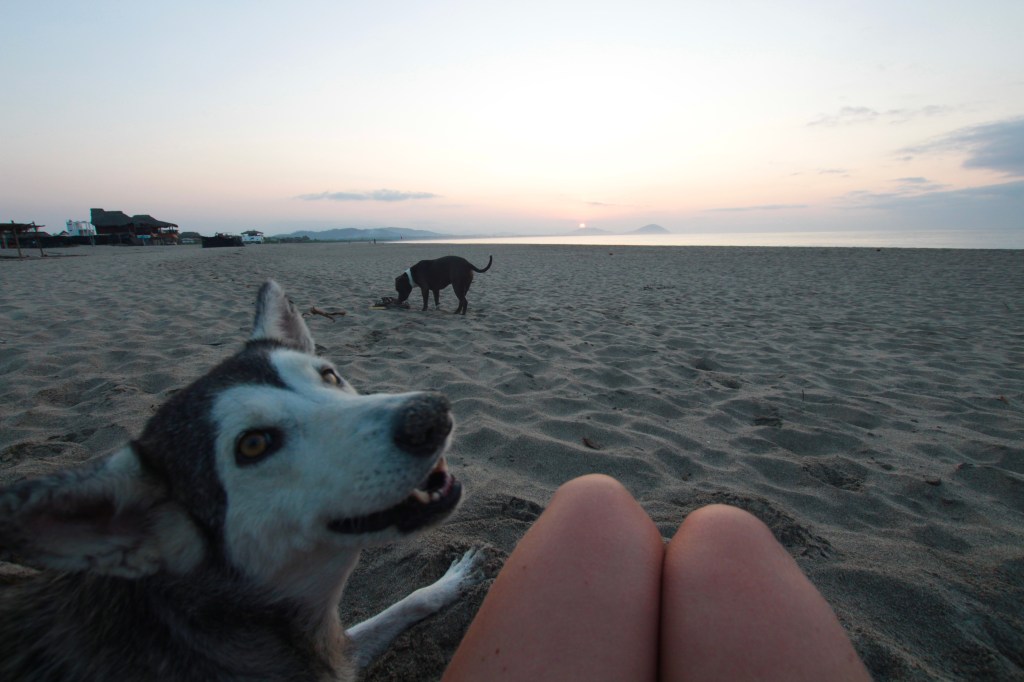
Chacahua is a village in the state of Oaxaca, Mexico, consisting of around 400 inhabitants. With national park status, this quaint coastal settlement is remote, void of tourism and home to vacant beaches, copper sunrises over the ocean, mangroves teeming with wildlife and bioluminescent plankton in the lagoons.
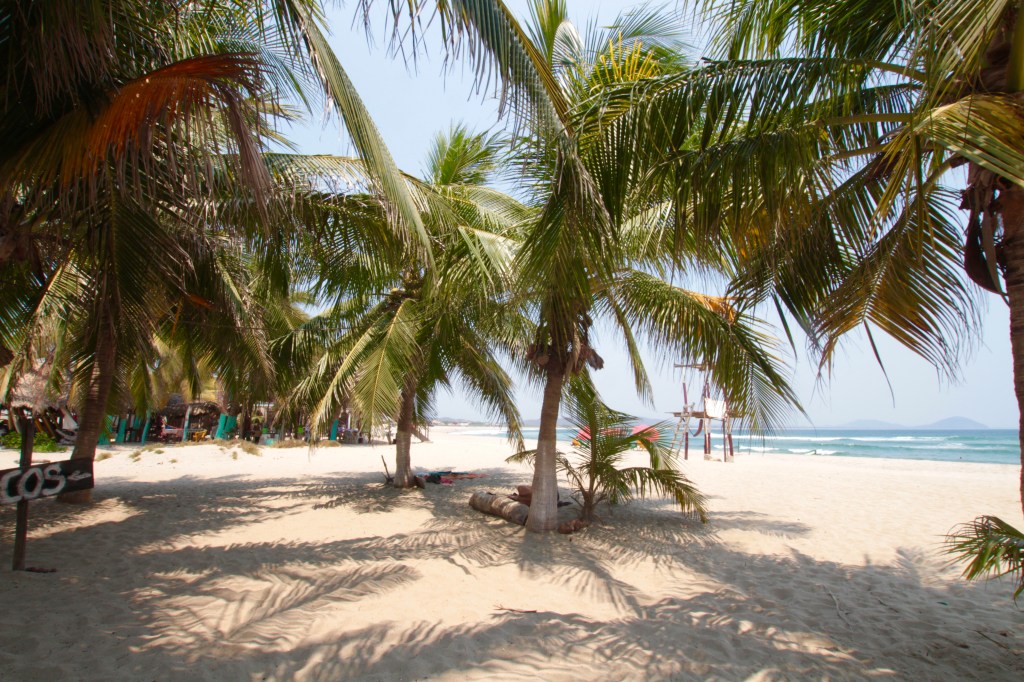
In short, it is magic.
If you’re looking to experience a slow pace of life, be surrounded by unspoilt nature, and feel like someone has just let you in on a secret, then visit Chacahua soon before the secret gets out…
How to get there
Chacahua is just 60km west of Puerto Escondido with its many beaches and bustling nightlife, yet it is worlds away. Most people visit this popular port town to see the coves and surf spots of this part of the Pacific Coast, and starting your journey from here is the easiest way to get to Chacahua. Be prepared for a journey of three or four legs that may seem complicated at first, but is actually quite quick and easy!
The first thing to do is to take a colectivo (small public bus) from Terminal TUR in Puerto Escondido to El Zapotalito. This is the longest part of the journey, of around 90 minutes.
Once there (you should be told when to get off if you say you’re going to Chacahua), cross the road and go over to the taxi rank. You can either get a private taxi and pay quite a bit, or wait for at least four or five people to join you, then you will only pay 30 pesos each.
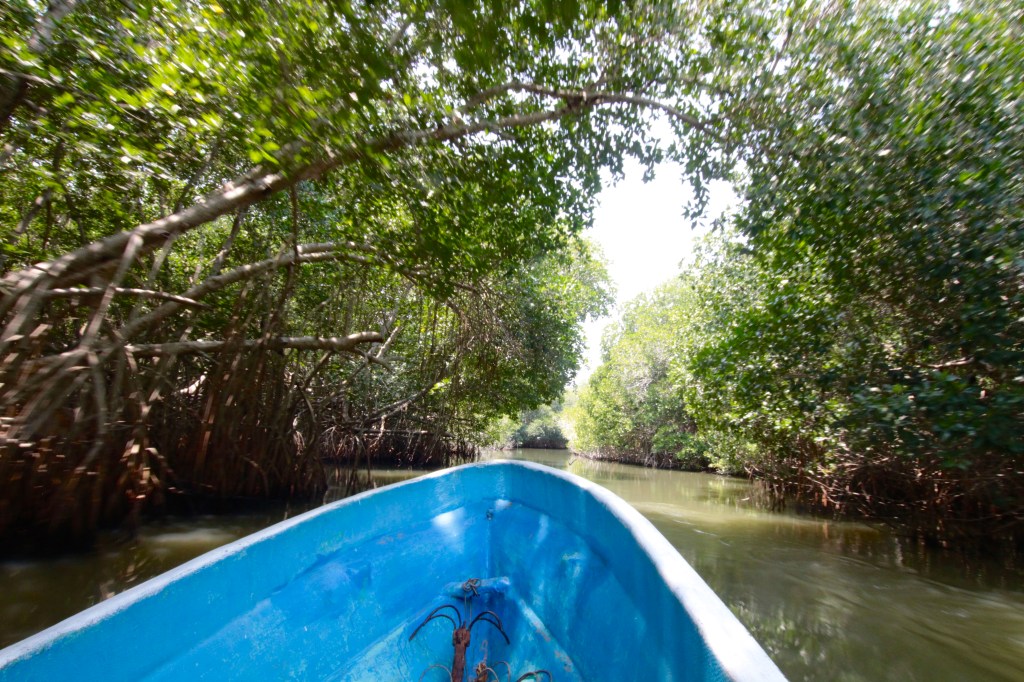
The final part consists of two options. You can either take the scenic route through the mangroves costing around 300 pesos per person, or you can get a shorter boat ride for just 50 pesos, then another collectivo (more like a truck) through the village for a further 50 pesos. This route takes longer, but is much cheaper.
We decided to take go the picturesque way to get there, and the longer, more local way to get back. Upon doing both journeys, I would opt to go for the cheaper one both ways, as the shorter boat ride was just as pretty.
In total, the journey should be about 2.5 hours. Then: welcome a slice of paradise!
What to do
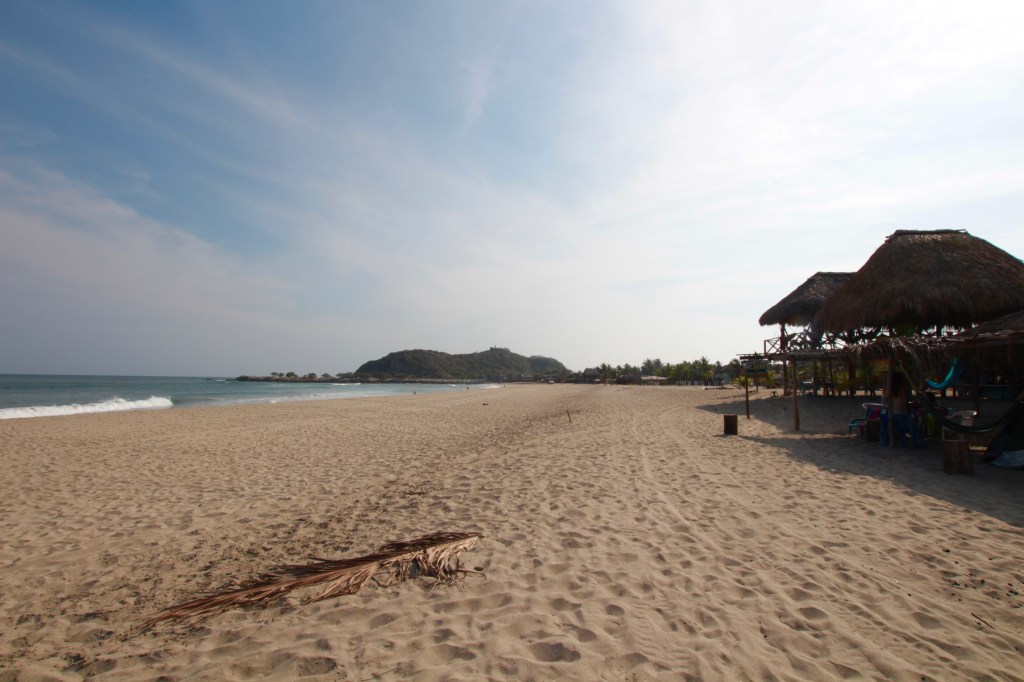
Chacahua is full of incredible beauty because it is unspoilt. And it is unspoilt because there is not much to do there to spoil it! If you’re after parties on the beach and activities on the water, you’ve come to the wrong place. However, there is still plenty to do (or not do, which is almost the point of coming here).
Surfing is one of the main activities here. If you’re a beginner, the waters aren’t great as the frequent, crashing waves will likely immobilise you. However, Chacahua Surf Camp caters for all levels. With a noticeable lack of swimmers around, it is an ideal place to learn to surf compared to the other swarming beaches close by.
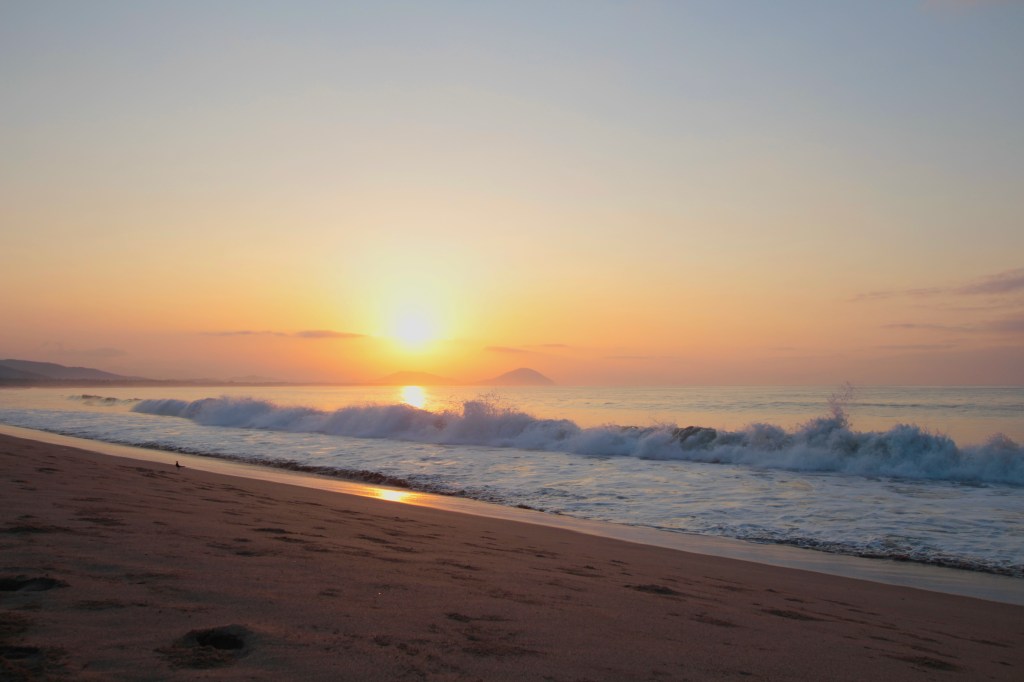
Unwinding with a book, gently swinging on a hammock and eating good food at restaurants nestled into the sand are the main activities in Chacahua. Visiting the bioluminescence on a night tour is just about the only organised trip you can do, but rising early to see the sun slowly peaking over the waters to bask the beach in an orange glow was one of the most magical things I did in this delightful hidden gem.
Where to eat
For somewhere so remote, Chacahua has some of the best restaurants that I have been to so far in Mexico. After Oaxaca (known for its food scene) and the wonderful town of San Cristóbal de las Casas, the food on this remote village comes next.
Surprisingly, the restaurants along the beach didn’t really serve local cuisine, but instead, delicious seafood with great vegetarian options were readily available. El Canar, just a stone’s throw away from the Surf Camp, served delectable fish, vegetarian burgers and pasta. I am not able to find anything about this restaurant online, but thankfully I took a photo of the menu! We dug our toes into the sand and sipped on a cocktail, watching the waves crashing in front of us at this charming eatery.
There are a handful of other restaurants along the beach and some tucked a bit further in, and from what I sampled, all of them were good.
Where to stay
With not a hotel or hostel in sight, you have three options of accommodation when choosing to visit Chacahua:
- A cabaña — a basic cabin, or hut, with a bed and sometimes en suite bathroom too (350-800 pesos per night, depending on where you go)
- Camping in a tent — there are places where these are available to rent, or you can bring your own (around 100 pesos per night)
- A hammock — the cheapest option at just 50 pesos per night
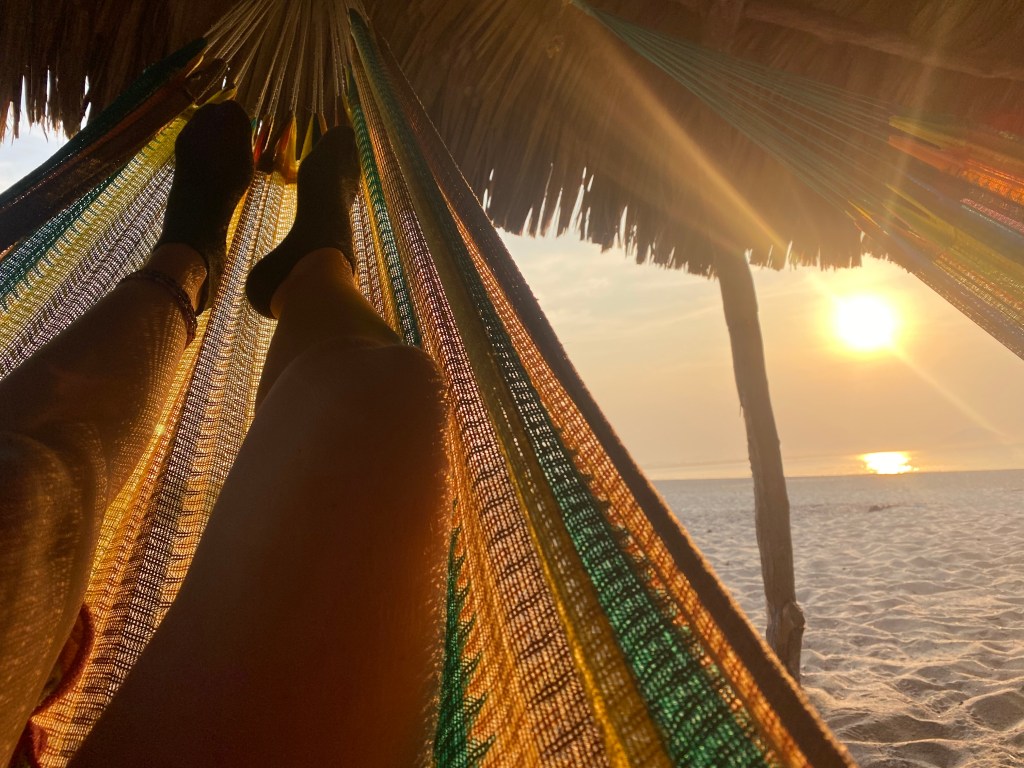
Wanting to have this unique experience, I chose to spend my two nights gently swinging and snoozing in the breeze on a hammock, and it couldn’t have been more special.
We stayed at Sharkey’s (again, nothing found online!), run by the wonderful Rebecca and her family. She offered us hammocks underneath a sheltered roof, right on the sand. With a shower and toilets, this basic accommodation was everything we needed for two nights.
I had heard from other backpackers before arriving that the sandflies in Chacahua were a menace, but I didn’t experience anything of the sort and had warm, peaceful nights. All I needed was a blanket or two, and there was nothing quite liking watching the sun slowly rise from the hammock, flooding me in a glimmer. This was the perfect way to wake up.
Other tips
- If you’re travelling for longer, do not take your big backpack or a suitcase! As Chacahua is not the easiest place to get to, you won’t want to be carrying all of your luggage at once. Leave the majority in your previous accommodation and travel light!
- You might want to do some cooking if staying for a long time. However, with no hostels, none of the accommodations provide kitchens. Be prepared to eat out, although there is also a little shop to buy snacks and small bites, if needed.
- There is no ATM in Chacahua, so make sure you have more cash than you need before setting off.
- Don’t bother booking anything ahead — it’s great to just turn up, see which part of the beach you like, and find your spot!
- Lastly, enjoy it. You really won’t have been anywhere like it, and maybe you won’t again.
Words and photos by me.



 Alice World Travels
Leave a comment